Speakers
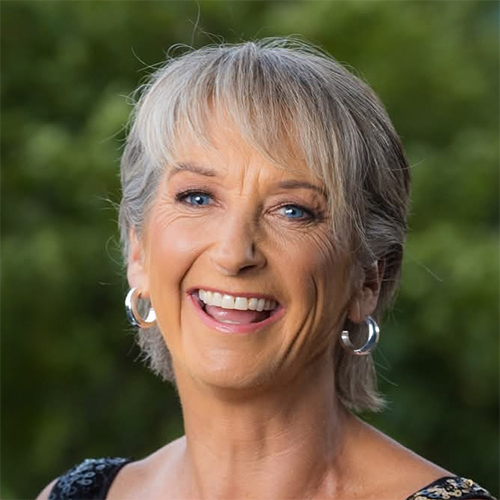
Layne Beachley AO
7x Womens World Champion &
Ambassador of Manly Freshwater World Surfing Reserve
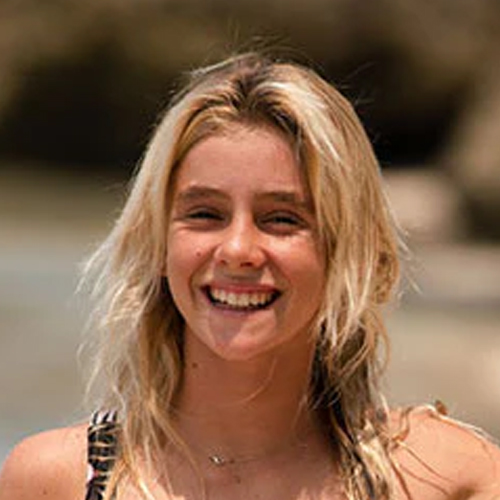
Ziggy Aloha MacKenzie
World Junior Champion &
WSL QS Professional
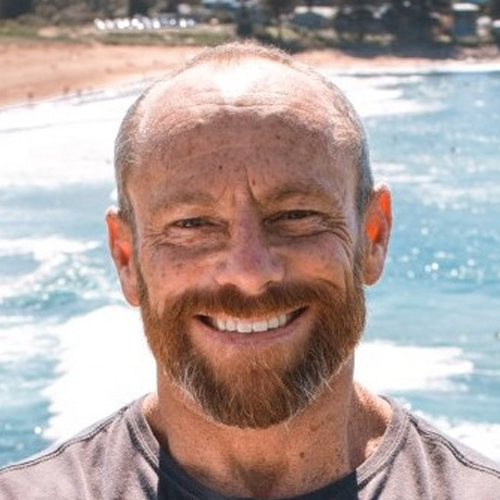
Tom Carroll
2x World Champion &
3x Pipe Masters Titleholder
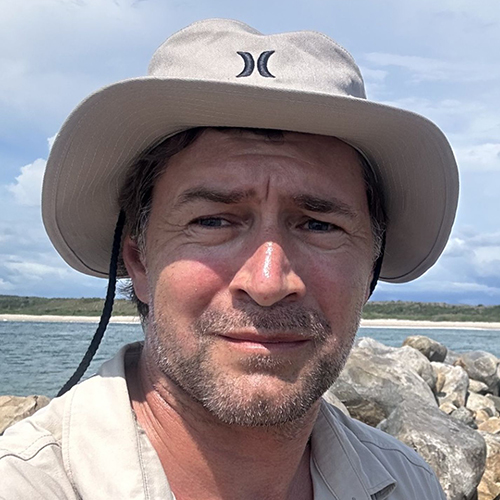
Simon Mortensen
Principal Coastal Engineer,
Managing Director, DHI Seaport
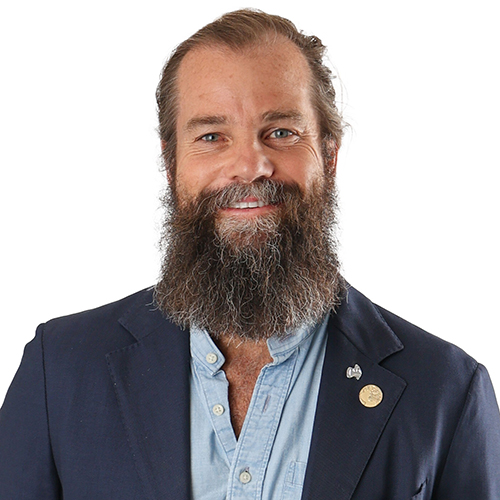
Sam Elsom
MD & Co-Founder of Sea Forest Ltd &
2025 TAS Australian of the Year
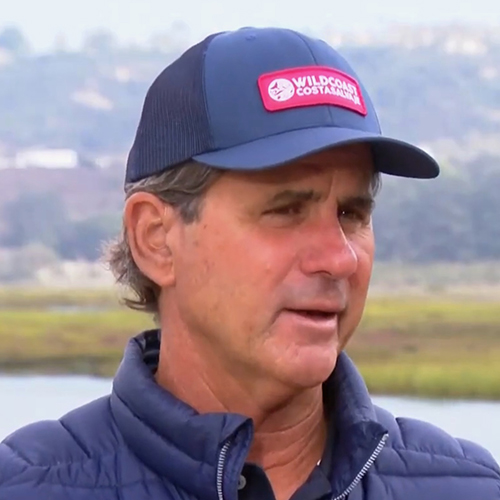
Serge Dedina
PhD, Executive Director
Wildcoast Costasalvaje
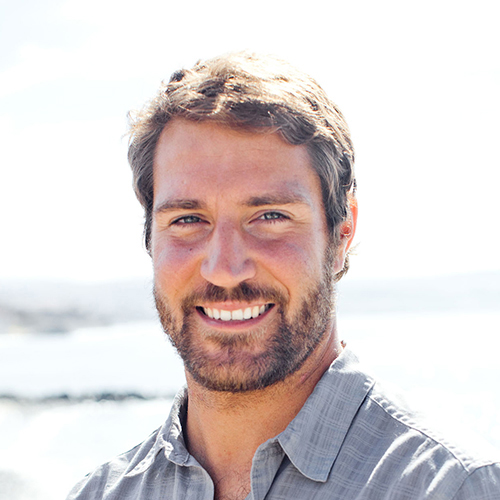
Nik Strong-Cvetich
Chief Executive Officer
Save the Waves Coalition
Surfing, science and storytelling in the waves.
Cliff Kapono, Pro Surfer – Scientist , MEGA Lab, USA
The Responsible Line-Up: Materials, Mindsets, and the Future of Surfing
What does the future hold for the surf industry in an era of climate crisis, material innovation, and shifting consumer expectations? This talk explores how surfing can align with global movements toward circular economy, product stewardship, and mindful consumerism. From reimagining the materials used in boards, wetsuits, and accessories, to challenging the linear “buy-use-bin” cycle, this talk examines key developments from pioneering shapers and innovators (some operating modestly at grassroots level) and also revealing inspiring case studies from other industries (architecture and fashion, for example) that are demonstrating a disruptive paradigm shift. This talk aims to prove what is possible when surfing culture embraces environmental responsibility without losing its soul, while paying respect to the culture and history at the heart of an industry ready to evolve.
Tom Wilson, Founder, Wavechanger, Australia
Wave Oriented Sustainable Urban Design Framework for Playa Hermosa World Surfing Reserve or Sustainable Spatial Planning for surf ecosystem protection in Playa Hermosa, Costa Rica
The Wave Oriented Sustainable Urban Design proposal, is conceptualized from the perspective of sustainable urban development oriented toward surfing and its culture; from the challenges and threats posed by the territory, as well as the strengths and opportunities that have been interpreted from the Playa Hermosa landscape.
The strategic vision of the PHUD is to protect and strengthen the relationship between surfing, nature, and urban development, for the benefit of the local economy and future generations. Therefore, a conceptual model has been defined based on three objectives:
- Improve the experience of visitors to the World Surfing Reserve for the benefit of the local economy.
- Ensure sustainable urban development for Playa Hermosa through urban planning.
- Improve the area’s ecosystem services.
With this premise in mind, a macro-scale territorial and landscape analysis is developed and translated into spatial interventions on a medium scale. A Master Plan is developed that includes both national and international references that exemplify the nature and design principles explored. This process is repeated to develop intervention proposals on a micro-scale, adding a special focus on the activation of public space in relation to the proposed green and blue infrastructure to meet the objectives.
Laura Zumbado Ramos, Director, Playa Hermosa World Surfing Reserve, Costa Rica
Surf Storytelling with Humor
This presentation explores the role of cartoons, humor, and visual storytelling as tools for engaging the global surfing community in environmental awareness and coastal conservation. This presentation investigates how short-form comics, humorous posts, and animated interviews can spark reflection and dialogue around key issues such as ocean sustainability, environmental justice, and the social impact of overcrowding in coastal areas.
Guilio Pompei, PhD Student, UWA, Italy
Surfing as a lever for positive change: Addressing gender-based violence in Papua New Guinea.
The Surfing Association of Papua New Guinea (SAPNG) has initiated an innovative program called “The Pink Nose Revolution” that uses surfing to raise community awareness about gender-based violence (GBV), which while a scourge worldwide, is particularly rampant in the PNG context. This research uses qualitative methods to analyse this program and current efforts to expand its scope by collaborating with other stakeholders to broaden the program’s positive societal impacts. The overarching research question is: What are the challenges and opportunities in growing a community-level sport-for-development program in a deeply resource-deprived context?
Danny O’Brien, Professor, Sport Management, and Director, Higher Degree Research, Bond Business School, Bond University, Australia & Ireland
Gold Coast World Surfing Reserve – Benefits & Challenges
Detailing the evolution of the Gold Coast World Surfing Reserve in the last 10 years 2016 to 2026. How it was developed and how City of Gold Coast Council embraced it with their surf management plan and adopted certain measures to address overcrowding, surf safety, water quality and climate change impact. What are its strengths & weakness, the future challenges and seeking solutions to protect beach and surf amenity.
Andrew Mckinnon, President, Gold Coast World Surfing Reserve
Valuing Australia’s Surfing Resources for Sustainable Coastal Management.
Despite their cultural, economic, and wellbeing significance, Australia’s surfing ecosystems remain largely invisible within environmental policy and natural capital accounting—unlike water, biodiversity, or forests. In this keynote, Dr Ana Manero draws on her Australian Research Council-funded research to unpack why this matters. Framing surf breaks and surrounding coastal areas as interconnected “surfing ecosystems,” she highlights their contribution not only to tourism and local economies, but to mental health, community identity, and social cohesion. As evidence builds on the multiple values of surfing, Dr Manero argues for new governance approaches that recognise surfing ecosystems as public assets—essential to thriving coastal futures.
Dr Ana Manero, Senior Research Fellow, University of Western Australia
A surfers journey to the top of Local Government
The unlikely story of how a local surfer and environmental activist won a David and Goliath political battle to become the Mayor of his hometown – Shelllharbour.
Cr Chris Homer, Mayor Shellharbour City Council, and Chair – Killalea National Surfing Reserve
Sustainability in the Surfboard Industry
Discussing the impact and opportunity for solutions in the surfboard manufacturing industry.
Richard Harvey, Owner/Shaper, Harvey Surf, Australia
Strategies for developing and Implementing a Surfing Reserves network
This presentation explores key strategies for establishing and implementing a network of Surfing Reserves that recognise and protect surf breaks of cultural and environmental significance. Drawing on experiences from both Australia and Brazil, it outlines legal, institutional, and community-based approaches to identifying priority sites, developing stewardship plans, and integrating surf conservation into broader coastal governance. The session highlights lessons learned in engaging local communities, securing support across different levels of government, and aligning reserve designation with ecological, cultural, and recreational values. It also examines how Surfing Reserves can operate as platforms for nature-based solutions and coastal resilience in the face of climate change.
Mauro de Figueiredo, Board Member, Instituto APRENDER Ecologia, Brazil
Waves of Change: Surf Reserves as Mechanisms for Transformative Ocean Governance
This keynote explores how World Surf Reserves can act as catalysts for transformative ocean governance by amplifying community voices and fostering governance through social learning. Drawing on in-depth interviews and focus groups across Australian and UK case studies, I share findings on how surf cultures generate bottom-up momentum for change, grounded in pride of place, ocean stewardship, and cultural identity. The presentation will highlight the barriers and enablers to achieving more just, inclusive, and sustainable futures, offering reflections on how grassroots energy can shape policy, reimagine governance, and create ocean futures that are both environmentally and socially transformative.
Kizzy Beaumont, PhD Researcher, University of Plymouth, United Kingdom
Sea-roots power for change
Covering how surf communities are a powerful tool for ocean and coastal conservation and protection
Steph Curley, CEO, Surfrider Foundation Australia
Changing Faces: How Surfer Behaviour Alters To Fit New Faces In The Lineup
It’s the most common complaint in surfing: “It’s TOO CROWDED.” Indeed if you’re to believe some of the commentary, the most annoying thing about surfing is…us. But how do we really relate to each other as surfers? And how much has lineup behaviour changed in the 2020s in the wake of the pandemic beginner boom — the biggest single numbers increase in surfing history?
Nick Carroll, Director, Carroll Anderson Productions
Blue Minds – Tackling Eco-Anxiety to Drive Ocean Action
With eco-anxiety affecting 67% of young Australians and on the rise globally, the Blue Minds team is on a mission to transform distress into hope and action. In this session, we share insights from our national school workshop tour, reaching thousands of students across rural, regional, and urban communities. Through our evidence-based approach, co-designed with youth mental health experts at Orygen we demonstrate how simple, practical tools like gratitude, values alignment, and ocean action can help young people move from overwhelm to empowerment. This presentation highlights the power of community, storytelling, and purpose in building resilience and how mental health must be part of our national climate response.
Kal Glanznig, Program Manager, Blue Minds – Surfers for Climate
Cooper Chapman, Blue Minds – Surfers for Climate
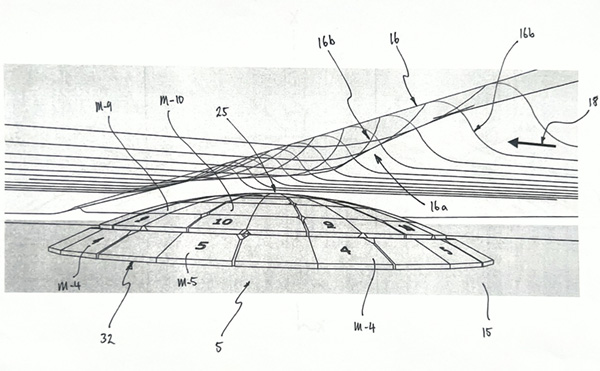
Waveco Pty Ltd. Reduced footprint artificial surfing reef innovation design and R&D and its increasing relevance in the erosion and ASR space.
Showcasing Waveco Pty Ltd latest compact concrete dome and granite ASR designs and their relevance to the erosion and ASR industries.
Troy Bottegal, CEO, Waveco Pty Ltd.